
2.1 Non-discrimination and prevention of bias
Artificial intelligence shall not create, reinforce or legitimize unjustified disadvantage based on protected characteristics or comparable personal and social circumstances. The prohibition extends to the use of variables that operate as proxies for characteristics the system is not permitted to use directly.
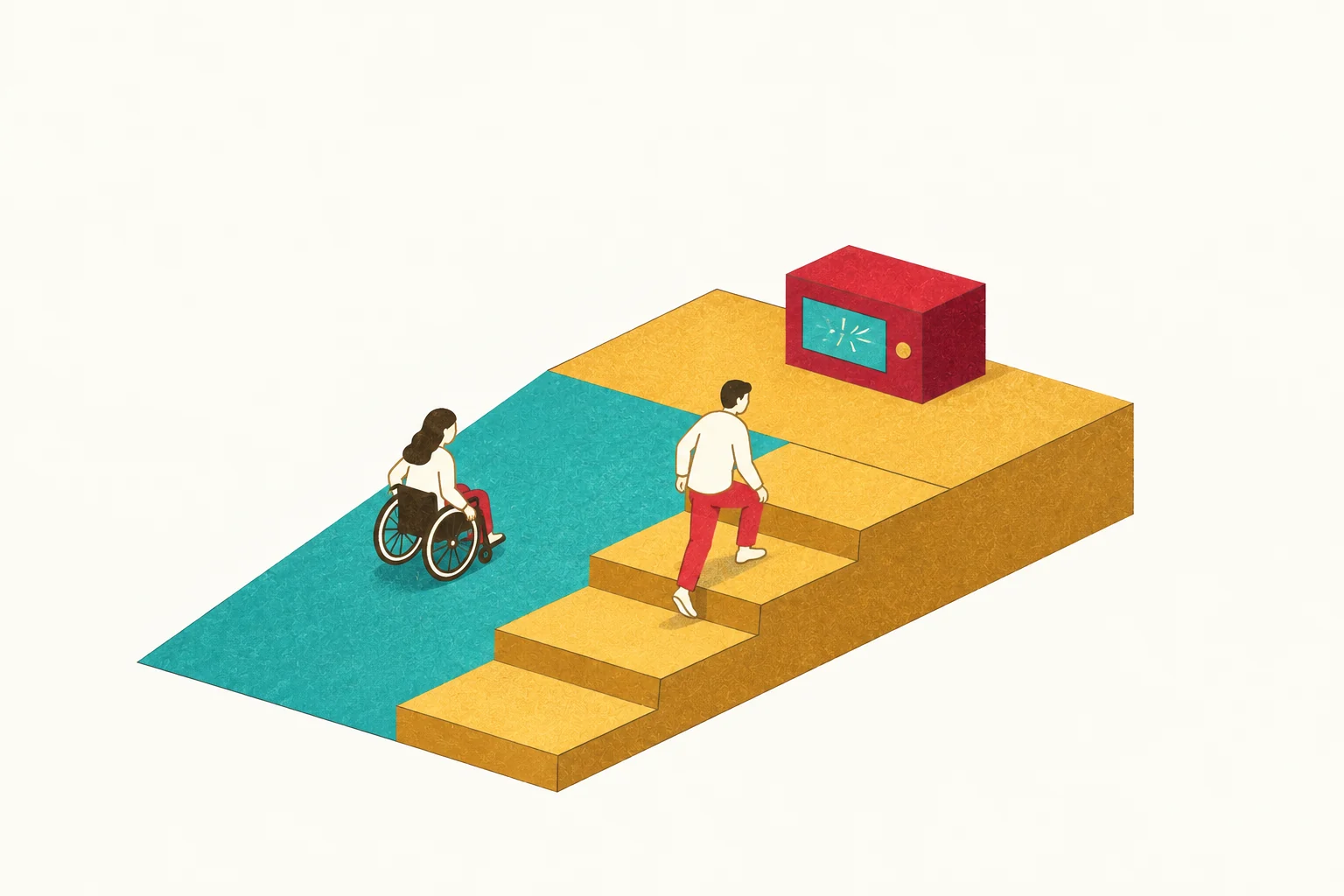
2.2 Substantive fairness
Artificial intelligence shall be assessed not only by whether it applies the same formal rule to everyone, but also by whether it produces justifiable outcomes in the real conditions in which people live. Different circumstances may require differentiated safeguards or support so that individuals have a genuinely fair opportunity to access a right, service, benefit, or professional assessment.
2.3 Procedural fairness
Consequential AI-assisted procedures shall provide timely notice, access to relevant information, understandable reasons, and a meaningful opportunity to contest an error or present additional facts before an impartial and authorized human decision-maker.
2.4 Special protection and accessibility for children and vulnerable persons
Artificial intelligence affecting children, persons with disabilities, elderly persons, economically dependent individuals or others in positions of heightened vulnerability shall be subject to stronger safeguards and accessible design. Organizations shall account for reduced bargaining power, limited literacy or technical ability, dependence on essential services, connectivity and equipment barriers, and the possibility that consent or formal choice does not reflect genuine freedom.